


Failed US-Iran peace talks: ‘Countries will suffer’ — IEA warns global leaders
 By publisher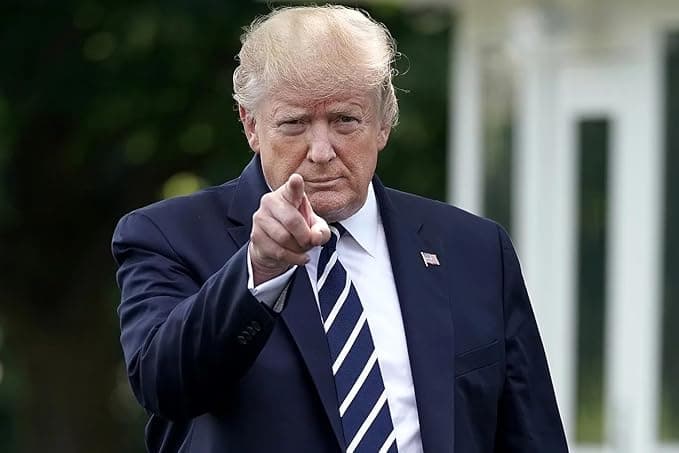
Fatih Birol, the executive director of the International Energy Agency (IEA), has warned that countries will suffer if the Middle East conflict and the closure of the Strait of Hormuz persist.
Birol also urged countries to be prepared for “difficult times in the energy market”, stressing that no nation is immune to the war’s impact.
The IEA executive spoke during a meeting with the International Monetary Fund (IMF) and World Bank Group (WBG) on Monday on the sidelines of the ongoing IMF-WBG spring meetings in Washington DC.
The meeting, which assessed the impact of the conflict on the global economy, is said to be part of the coordination group they established in early April to maximise their institutions’ response to the energy and economic impacts of the war.
Birol’s warning comes after the peace talks between the United States (US) and Iran in Pakistan ended without an agreement.
President Donald Trump had threatened that the US navy would begin a blockade of ships entering or leaving the Strait of Hormuz due to the failed peace talks.
“The world is facing the greatest energy security challenge in history. It is oil, it is natural gas, but it is also other vital commodities, such as fertilizers, petrochemicals, helium and others,” Birol said.
“The scale of the problem is huge, and countries will suffer under this, some more than others, but I can tell you no country is immune to this problem”.
Expressing his concern about the conflict, Birol said March was a very difficult month for the world in terms of energy and economy, cautioning that April may be worse.
“…because during the month of March, we have already received cargoes which were loaded well before the crisis started to the markets, and during the month of April, nothing has been loaded,” he said. Thecable
More like this