



- Home
- /
- /
- Article
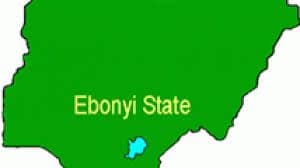
Ebonyi map
RESIDENTS of Ebonyi State, particularly those in Abakaliki, the state capital, are groaning under severe scarcity of drinking water, which has triggered fear of imminent water-borne diseases as they now make use of any water they can lay their hands on.
The water scarcity in Abakaliki city was said to have worsened due to damaged water supply infrastructure from construction work on the Azuinyioku bridge, as well as vandalized equipment, which has forced residents to rely on expensive, often unwholesome alternatives.
The state government, however, said they are rehabilitating the Oferekpe and Ezillo water schemes to restore supply and urged residents to protect pipes from damage.
The scarcity is not only a result of the damage caused by road construction, but also years of neglect of the major water schemes in the state by previous administrations, is a major cause. The scarcity has led to high cost of water, with many depending on private, often contaminated boreholes, well water, ponds, or purchasing from vendors.
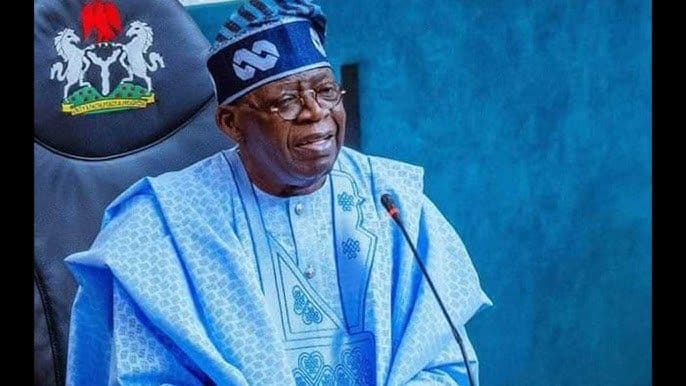
On assumption of office, Ebonyi State Governor, Chief Francis Nwifuru, listed supply of potable water as a key component of his People’s Charter of Needs for the people. Consequently, he announced the rehabilitation of the major water treatment plants in Oferekpe and Ezillo to restore supply, resulting in some areas receiving water briefly, which later stopped.
The government said they are working to revive the Oferekpe and Ezillo water schemes, with the Oferekpe plant being the largest, having a capacity of 100,000m2 per day, but warned against vandalism of pipes, with threats of sealing homes for the destruction of water infrastructure.
At its inception, the state, then under the threat of the scourge of Guinea worm disease, drew international and national attention, which drew massive investment in water supply to the people, led by UNICEF. This led to the eradication of Guinea worm disease in the state. Early successive governments in the state sustained the effort, but later administrations somehow dropped the ball, paying less attention to the issue of water supply to the people.
More like this