



- Home
- /
- /
- Article
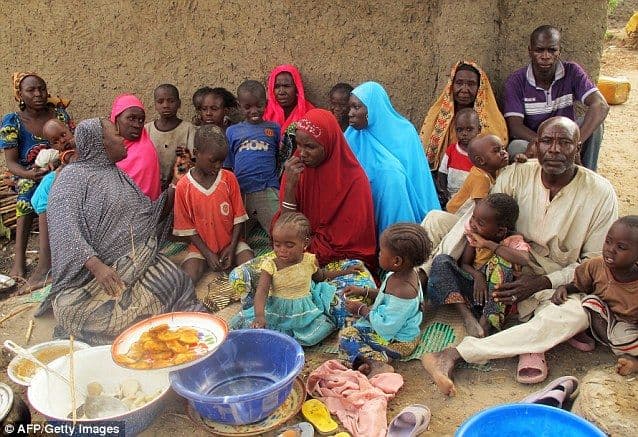
File: Poor Nigerians
About 63 per cent of Nigerians fell below the poverty line after the removal of petrol subsidy, according to a new study that examined the welfare impact of the country’s recent economic reforms.
The research, presented at a stakeholders’ dialogue organised by Agora Policy in Abuja on Thursday, showed that the national poverty headcount rose sharply from a baseline of about 49.8 per cent to roughly 63 per cent following the subsidy removal before moderating slightly after the introduction of social protection measures.
The dialogue, themed “Sustaining and Deepening Economic Reforms in Nigeria,” brought together policymakers, economists, civil society leaders, and private sector representatives to examine the effects of the Federal Government’s reform agenda.
Among those present were the Deputy Governor for Economic Policy at the Central Bank of Nigeria, Dr Muhammad Abdullahi; the Special Adviser to the President on Finance and Economy, Ms Sanyade Okoli; the World Bank Senior Economist for Nigeria, Dr Samer Matta; the Country Director of CARE International, Dr Hussaini Abdu; and the Executive Director of Agora Policy, Waziri Adio, among others.
The study, presented by a Senior Lecturer at the Department of Economics, University of Abuja, Dr Mohammed Shuaibu, analysed the economic and social consequences of key reforms introduced by the Federal Government, including the removal of petrol subsidy and adjustments in electricity tariffs.
President Bola Tinubu had announced the end of petrol subsidy during his inaugural address on May 29, 2023. According to the study, the policy triggered broad price increases across the economy and significantly affected household welfare. “After the subsidy removal, poverty increased from a baseline of about 50 per cent to 63 per cent,” Shuaibu said.
He added that the introduction of social protection measures helped moderate the impact but did not fully reverse the deterioration in welfare conditions. “However, when social protection measures such as cash transfers were introduced, the poverty rate moderated to around 56.2 per cent,” he said. Punch
More like this