


- Home
- /
- /
- Article
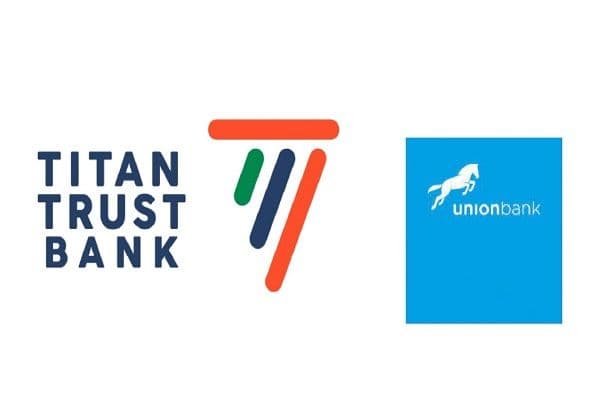
In May 2022, Titan Trust Bank announced the completion of its acquisition of Union Bank of Nigeria (UBN), an institution with over a century of history, dating back to 1917. At the time, the transaction was presented to the public as clean, legitimate, and commercially sound: a strong new entrant acquiring a long-established player.
However, emerging details suggested that the structure of the transaction might have been far more complex—and potentially problematic—than initially disclosed.
Transaction documents indicated that the acquisition might have involved a sophisticated form of financial round-tripping and unlawful financial assistance, a structure in which the buyer allegedly used the very assets of the bank it sought to acquire as collateral to secure the loan used to purchase that same bank.
According to findings, Titan Trust Bank-beneficially associated with Rahul Savara and Cornelius Vink, and then-chaired by Mr. Babatunde Lemo, allegedly secured a $300 million facility from African Export-Import Bank (Afreximbank) to fund the acquisition, allegedly with the knowledge or acquiescence of the then Governor of Central Bank of Nigeria (CBN), Mr. Godwin Emefiele.
While Titan Trust Bank was formally designated as the borrower under the facility, the loan was reportedly structured such that the underlying security comprised Union Bank’s treasury bills, government securities, and other assets. More significantly, both principal and interest obligations were allegedly to be serviced from Union Bank’s own cashflows and depositors’ funds, effectively shifting the repayment burden to the acquired institution.
If allowed to stand, this would mean that Union Bank was, in substance, financing its own acquisition.
This raises serious regulatory and legal concerns. Nigerian banking regulations have historically frowned at the use of borrowed funds to finance bank acquisitions, as well as on any form of financial assistance by a target institution for the purchase of its own shares. The alleged structure appears to cut across both principles. The implications are far-reaching. On this account, a relatively new bank—incorporated in 2018 and licensed only in 2019—appears to have acquired a systemically important, century-old institution without assuming meaningful repayment risk, while effectively exposing depositors’ funds to the obligations of the acquisition financing. This raises a fundamental question: how did an institution with such a limited operating history, and reportedly facing its own financial constraints, secure regulatory approval to acquire a bank of Union Bank’s stature, and on terms of this nature?
More like this