



- Home
- /
- /
- Article
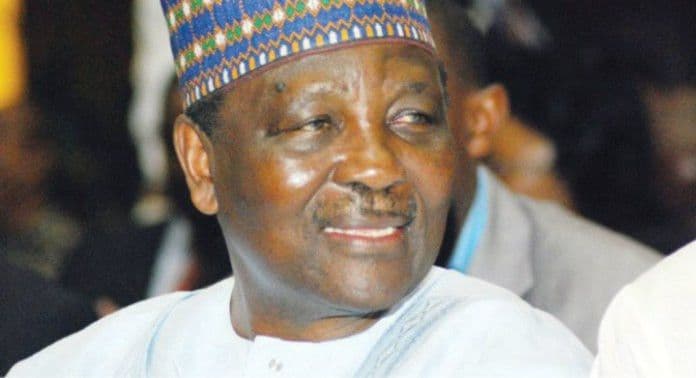
Gowon
The Indigenous People of Biafra has faulted the recent statement on the Nigerian Civil War, credited to a former Head of State, General Yakubu Gowon, describing his remarks as a “provocative, insensitive, and shameless” attempt to whitewash the atrocities of the Biafran genocide he orchestrated.
Gowon, who had, during the fifth Convention of the Christian Men’s Fellowship of the Diocese of Abuja, held at St. Matthew’s Anglican Church, Maitama, Abuja, on Saturday, reportedly said the Nigerian Civil War was never driven by hatred, but by a difficult necessity to preserve national unity.
He further emphasised the importance of forgiveness, reconciliation, and unity across faiths and ethnicities, insisting that the civil war fought between 1967 and 1970 was intended to preserve Nigeria as one.
But in a press statement released on Monday, the spokesman for the Pro-Biafran group, Emma Powerful, faulted Gowon’s claims, insisting that his claims did not only distort history, but is a deliberate insult to the millions of Biafrans slaughtered under his command and an affront to all victims of his premeditated genocidal campaign.
Powerful said, “To compare the civil war to a quest for unity is to spit on the graves of our ancestors and mock the suffering of survivors. Gowon’s legacy is not one of unity but of unparalleled brutality, second only to Adolf Hitler’s slaughter of 6 million Jews.
“His claim that the Nigerian Civil War was fought for ‘unity, not hatred’ is not only a grotesque distortion of history but a deliberate insult to the millions of Biafrans slaughtered under his command and an affront to all victims of his premeditated genocidal campaign.
“Gowon’s crocodile tears over the violence in Jos and his hollow lamentations about Nigeria’s disunity cannot erase the bloodstains on his hands. His words are a painful reminder of the unrepentant arrogance of a man who presided over the massacre of over five million Biafrans — men, women, and children — whose only crime was seeking self-determination in the face of systemic marginalisation and state-sponsored pogroms.”
More like this