



- Home
- /
- /
- Article

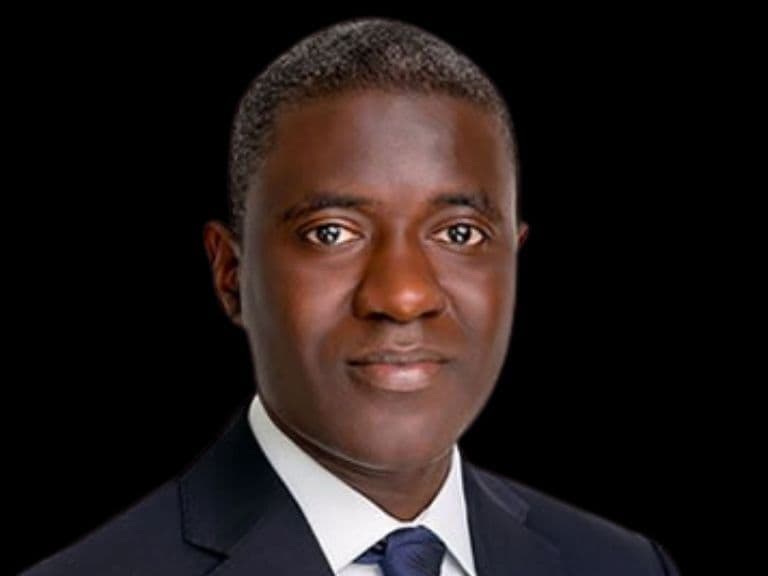
Falana
Human rights lawyer and Senior Advocate of Nigeria Femi Falana has urged the Federal Government, the country’s 36 governors and first ladies to “immediately end digital repression and embrace digital democracy, uphold human rights and media freedom.”
Falana said this today in a paper titled “Press Freedom and Cybercrime Law in Nigeria: Bridging the Justice Gaps” delivered at the plenary session of Nigeria Bar Association-Section on Public Interest and Development Law (NBA-SPIDEL).According to Falana, “Across Nigeria, serving and former public officers and increasingly their spouses, have systematically weaponised law enforcement agencies to silence journalists, students, activists, whistleblowers, and political opponents.”
Falana said, “This pattern persists despite clear constitutional guarantees under Sections 35, 36, and 39, and judicial pronouncements prohibiting the misuse of the criminal law for personal grievances.
The paper, read in part: “This conduct mirrors the tactics of the British colonial administrators who used sedition and criminal libel to suppress dissent.”
“In many cases today, ‘cyberstalking’ complaints are filed not to protect public order, but to punish criticism, expose corruption, or intimidate perceived opponents. These abuses violate the rule of law and constitute misapplication of state power.”
“Press freedom remains a constitutional and democratic imperative in Nigeria. Yet cyber‑security legislation, particularly the former Section 24 of the Cybercrime (Prohibition, Prevention, etc.) Act 2015 has been systematically weaponized by public officials and their spouses to silence dissent, intimidate journalists, and criminalise legitimate criticism.”
“Despite clear judicial guidance from Nigerian courts and binding decisions of the ECOWAS Court of Justice, security agencies continue to arrest journalists and citizens for offences that no longer exist under Nigerian law.”
“Although Nigeria returned to civil rule in 1999, the residue of military culture continues to shape law enforcement conduct. Public officers and their spouses frequently deploy the police against journalists and critics, invoking repealed offences such as ‘cyberstalking,’ ‘insult,’ ‘annoyance,’ and ‘offensive messages.’”
More like this