



- Home
- /
- /
- Article
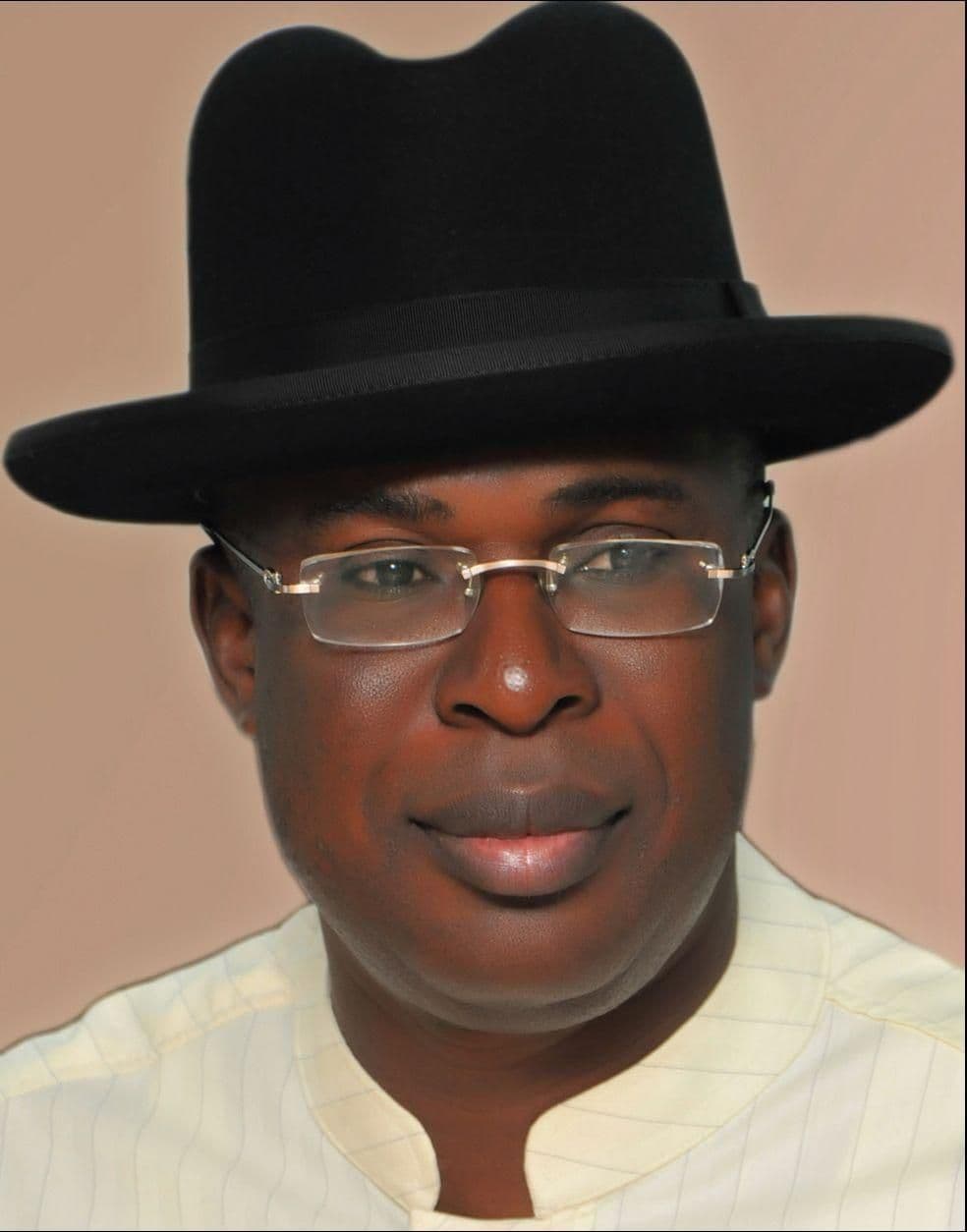
The Federal Government has filed a 13-count treason charge against six persons accused of involvement in a plot to overthrow the administration of President Bola Tinubu through a coup d’état.
Those listed as defendants in the charge, lodged before the Federal High Court in Abuja, are former Minister of State for Petroleum Resources under the late former President Muhammadu Buhari, Timipre Slyva, a retired Major General, Mohammed Ibrahim Gana; a retired Naval Captain, Erasmus Ochegobia Victor; a serving Police Inspector, Ahmed Ibrahim; and three others, including Zekeri Umoru, Bukar Kashim Goni, and Abdulkadir Sani.
Sylva, who was former Bayelsa State governor, was listed as a defendant in the case, though the court was told he was currently at large.
The charge was filed before the court by the Office of the Attorney-General of the Federation and Minister of Justice, and signed by the Director of Public Prosecutions of the Federation, Rotimi Oyedepo, SAN.
The allegations against the defendants bordered on treason, terrorism, and alleged failure to disclose security intelligence and money laundered in furtherance of acts of terrorism.
According to the FG, the defendants conspired among themselves to levy war against the state to overawe President Tinubu, thereby committing an offence punishable under Section 37(2) of the Criminal Code.
They were further alleged to have had prior knowledge of a planned treasonable act involving one Colonel Mohammed Alhassan Ma’aji and others but failed to alert the appropriate authorities.
Government maintained that the defendants had knowledge of the plot and intended to commit treason, as evidenced by their refusal to “give the information thereof with all reasonable despatch to either the President or a peace officer.”
Similarly, the defendants were accused of failing to take preventive steps, as they “did not use any reasonable endeavours to prevent the commission of the offence.” Other allegations against them centred on terrorism-related offences under the Terrorism (Prevention and Prohibition) Act, 2022.
More like this