



- Home
- /
- /
- Article

NASS complex
A fresh bid by the National Assembly to shift the 2027 presidential and governorship elections to November 2026 has divided opposition parties.
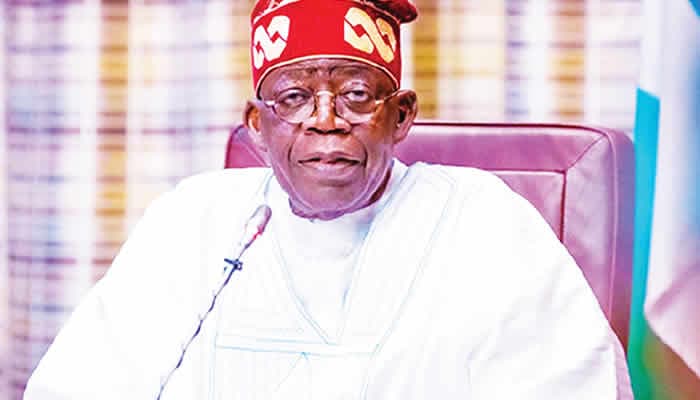
While some described it as an attempt to extend President Bola Tinubu’s stay in office, others agreed it could strengthen Nigeria’s electoral system if properly implemented.
The proposal, part of sweeping amendments to the 2022 Electoral Act, seeks to move the elections forward by about six months to allow all pre- and post-election litigations to be concluded before the May 29, 2027, handover date.
It is scaled through; the presidential and governorship elections would be conducted in November 2026, instead of the traditional February or March date
The proposal forms part of the draft amendments to the 2022 Electoral Act, which stipulate that elections for both offices must be held no later than 185 days before the expiration of the incumbent’s tenure on May 29.
Section 4(7) of the proposed amendment states that “elections into the office of the president and governor of a state shall be held not later than 185 days before the expiration of the term of office of the last holder of the office.”
For legislative elections, Section 4(5) of the proposed amendment provides that “elections into the state houses of assembly and the National Assembly shall be held not later than 185 days before the date on which each of the houses stands dissolved.”
An analysis of the timeline shows that counting 185 days backward from May 29, 2027, places the proposed election date in November 2026, roughly six months earlier than the current schedule.
Lawmakers said the adjustment would end the practice of swearing in elected officials whose victories are still subject to court disputes.
The proposal follows a similar move in July when lawmakers began pushing for constitutional amendments to allow all elections – presidential, governorship, National Assembly, and state assembly — to hold the same day in 2027.
More like this